World Mental Health Day: Regeneron ISEF finalists explore big questions
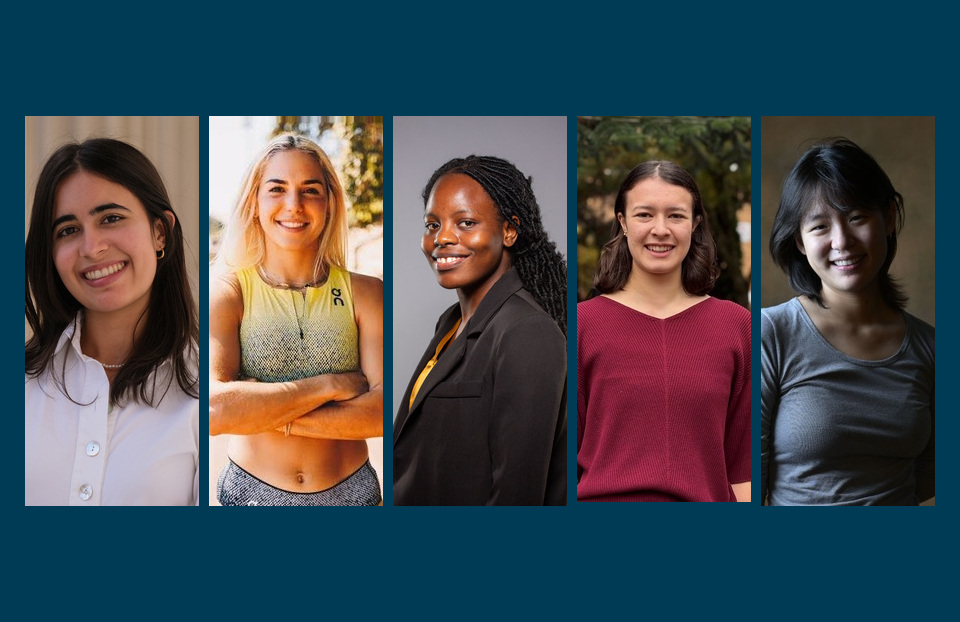
Today, October 10, is World Mental Health Day, and with it, an opportunity to shed light on the quiet struggles and private resilience of the millions globally affected by mental health challenges. This year’s theme, “Lived Experiences Heard: Real Voices, Real Change” Emphasizes the importance of listening to those experiences. In that spirit of empathy and action, we highlight five projects by recent Regeneron International Science and Engineering Fair (ISEF) finalists using STEM to explore questions across the spectrum of mental health research.
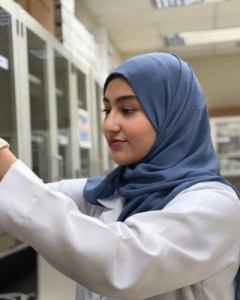 Tala Awliyaa, Saudi Arabia: Buccal Films for Precision Antidepressant Tapering
Major depressive disorder affects hundreds of millions of people worldwide. One challenge associated with treatment is that discontinuing antidepressants can cause withdrawal symptoms such as anxiety, nausea and insomnia. This problem is made worse by the fact that many pills come in fixed doses or capsules that can’t easily be cut, making it more difficult to gradually taper down when needed. Tala is developing a buccal film (a thin, dissolvable strip) that allows for more individualized dosing with potential to alleviate withdrawal symptoms.
 Jamie Cheng, North Carolina: BREATHE: Bioactive EVs to Target Vaping Addiction
Vaping can expose the lungs to harmful substances that can cause oxidative stress and cellular damage. Current cessation treatments do not address vaping-induced cellular damage, and some products marketed as ‘wellness vapes’ rely on heat, which can cause thermal degradation and harmful byproducts. Jamie developed BREATHE, a heat-free system that creates an inhalable mist containing tiny particles derived from tomatoes and coffee, with the goal of supporting lung recovery and vaping cessation. In laboratory testing on human lung cells, tomato-derived particles reduced cell damage and restored cell viability while increasing antioxidant activity.
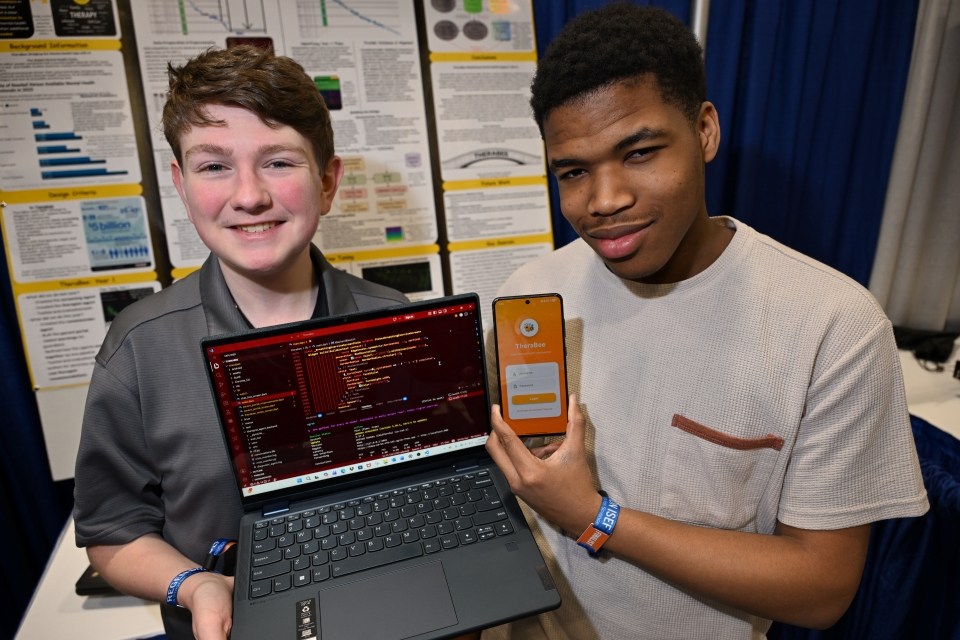
Olutayo Oyewusi & Finnegan Sommer, Massachusetts: TheraBee
For teenagers experiencing emerging mental health concerns, recognizing when to seek help and knowing where to turn can be challenging. That’s what inspired Olutayo and Finnegan to create TheraBee, an AI-powered application using natural-language conversations to connect young people with appropriate support, including guardians, trusted adults, therapists and crisis resources. In testing validated by mental health professionals, TheraBee matched the next steps recommended by those professionals with 97.5% accuracy, demonstrating the potential for technology to help young people connect with human support before concerns intensify. Their project shows promise in making that first step toward help easier.
 Evalyn Ujwok, Tennessee: The Cognitive Cost of Addictive Design
Digital platforms use features such as infinite scrolling, autoplay and notifications to capture and maintain attention, but little is known about how combinations of these features affect cognitive load, the mental effort required to process information. Evalyn’s research investigated these design elements, finding that participants experienced substantially greater cognitive load when exposed to multiple attention-grabbing features, with some combinations producing effects greater than would be expected from their individual contributions. Her work aims to better inform researchers, consumers and policymakers about how technology design can affect attention and mental workload.
 Sara Waqas, Canada: HERV-K Neuroinflammation in Schizophrenia
Schizophrenia affects millions of people worldwide, and research into its underlying biology could help scientists develop new treatments, including options for patients who do not respond to existing treatments. Sara investigated the role of neuroinflammation, or inflammation in the brain, and a group of endogenous retroviral elements known as HERV-K, finding evidence that HERV-K-associated pathways may contribute to changes observed in the brains of people with schizophrenia. Her research also explored targeted therapeutic approaches, including an experimental approach that reduced HERV-K expression by 69% in laboratory testing, offering possible insight into the biology of schizophrenia and potential for more precise treatments.