From public health to sustainable cities, Junior Innovators take on their first challenges
Real world science is all about collaboration! So, it’s no surprise that teamwork and creativity took center stage as the Thermo Fisher Scientific Junior Innovators Challenge (Thermo Fisher JIC) finalists took on their first day of challenges.
To kick things off, the finalists’ six multicolored teams took a trip to the fictional town of Eureka Heights, where nonprofit partner STEAM Forward! Academy had prepared a challenge to test the finalists’ public health problem solving. STEAM Forward! Founder and Executive Director Jeanita Pritchett Clay set the stage: a complex emergency was developing in Eureka Heights as people across town were falling ill. Some wondered whether their conditions were related even though their symptoms varied.
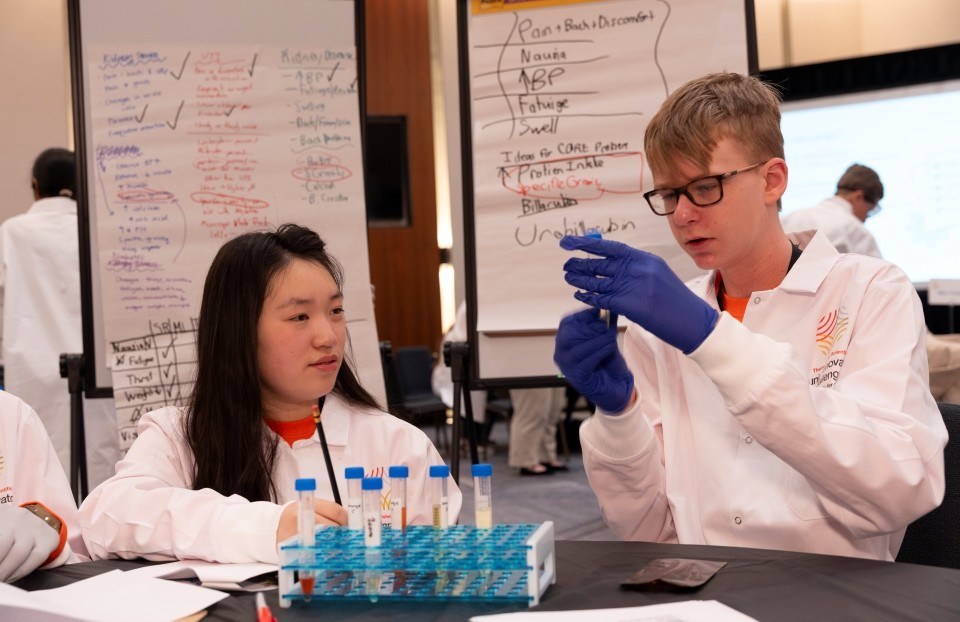
Working together as the newly founded Eureka Heights Biomedical Collaborative, the finalists investigated the illnesses and developed a plan of action. Out came the whiteboards and white coats!
As the challenge got underway, each team developed a distinct approach to untangling the problem.
The orange team prioritized putting people first in this public health challenge. Going beyond charting the collective symptoms of the population, they carefully considered each individual patient.
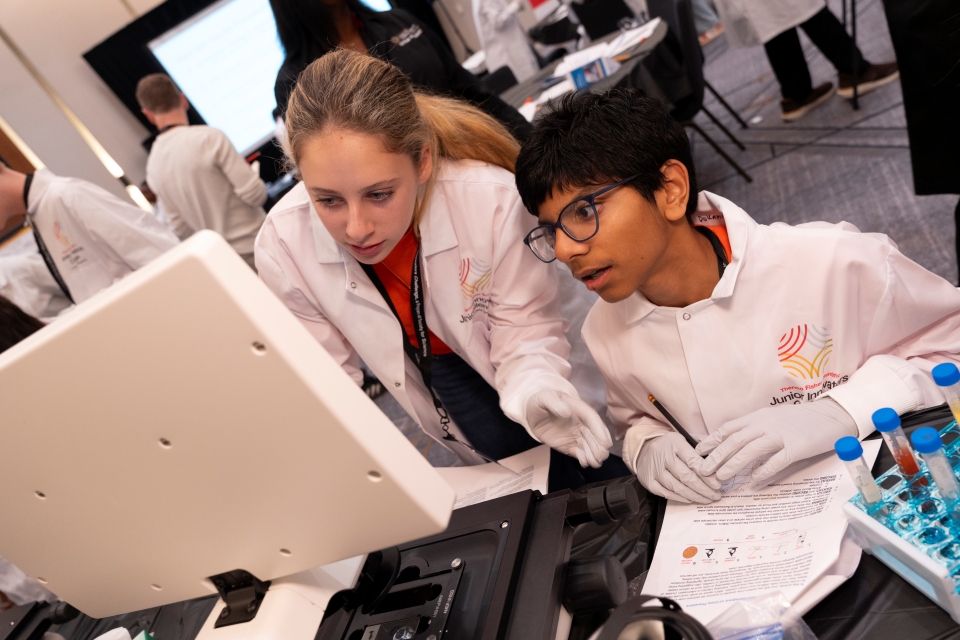
Staring down so many questions can be daunting… but the blue team quickly mastered the art of communication. Rather than divide and conquer, they made a point to channel their collective brainpower on seemingly all dimensions of the challenge.
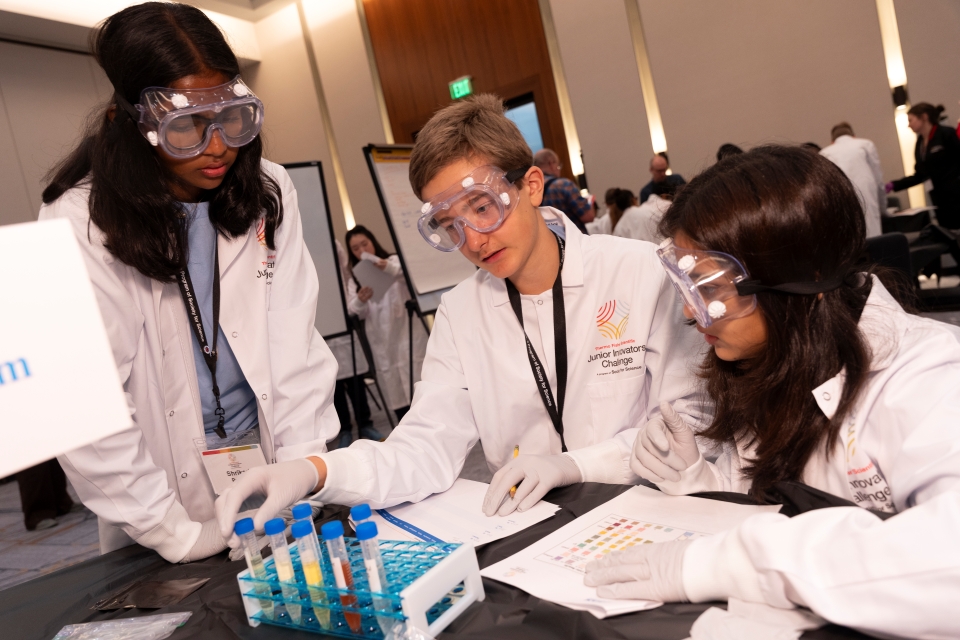
The first explanation is not always the best! That’s why the green team meticulously catalogued their working hypotheses from the start, revising and refining with excellent communication as the challenge progressed.
Scientists from Thermo Fisher Scientific were on hand to make the challenge even more immersive. They showed finalists the ropes (or more accurately, the knobs and lenses) of their EVOS M5000 Imaging System, a high-tech microscope they used to test patient samples.
In the end, all the teams presented their findings and recommendations to the panel of judges (playing the role of local medical board), who dove deep into their investigative process along with their results.
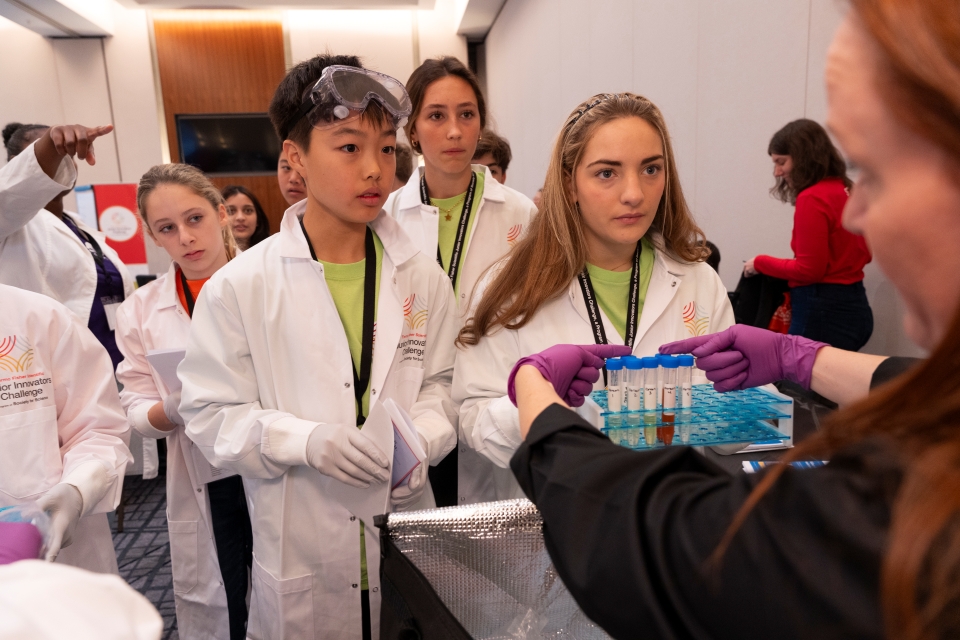
Next up was a challenge put together by JASON Learning, a nonprofit focused on providing curricula and STEM learning experiences for K-12 students.
The afternoon started with warm-up activities to practice programming on micro:bits in Python. Then Rochelle Sandrin, Jason Learning’s Director of STEM Education Professional Development & Implementation, set a tall task for the finalists: develop an idea to use micro:bit coding to design an element of a sustainable city.
Choosing a real-world problem, let alone creating a possible solution, in such a short time promised to be challenging. But the finalists proved equal to the task.
Almost immediately, the gold team began exploring ideas to address major sustainability challenges. Maybe climate change, water conservation or crop protection — the sky was the limit.
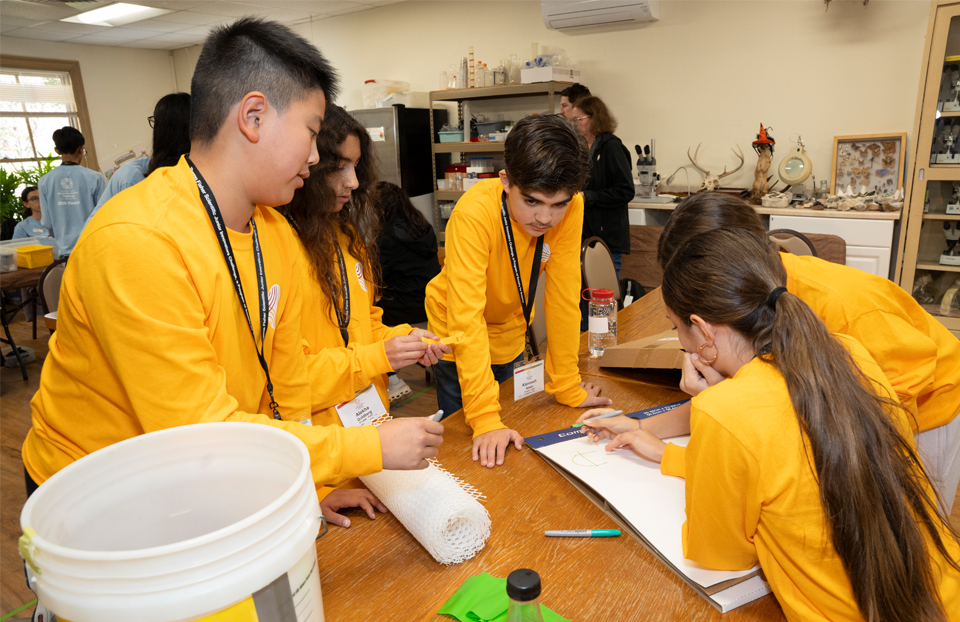
Some teams, like the silver team, considered environmental and social challenges overlap. They looked beyond the technical possibilities to ask which populations might benefit most from a new technology.
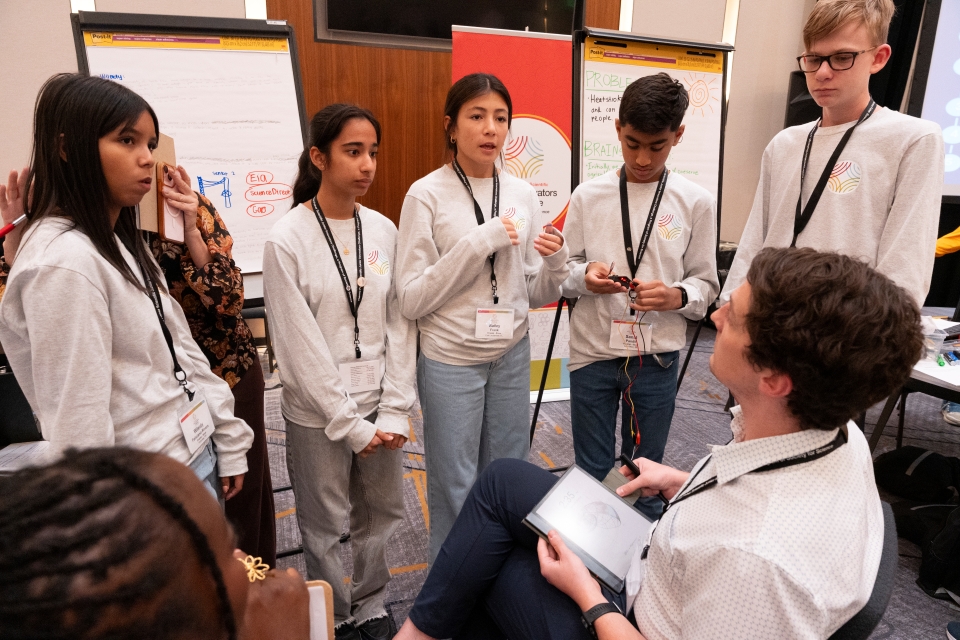
For others, like the purple team, one challenge wasn’t enough: could a single device address several sustainability challenges at once?
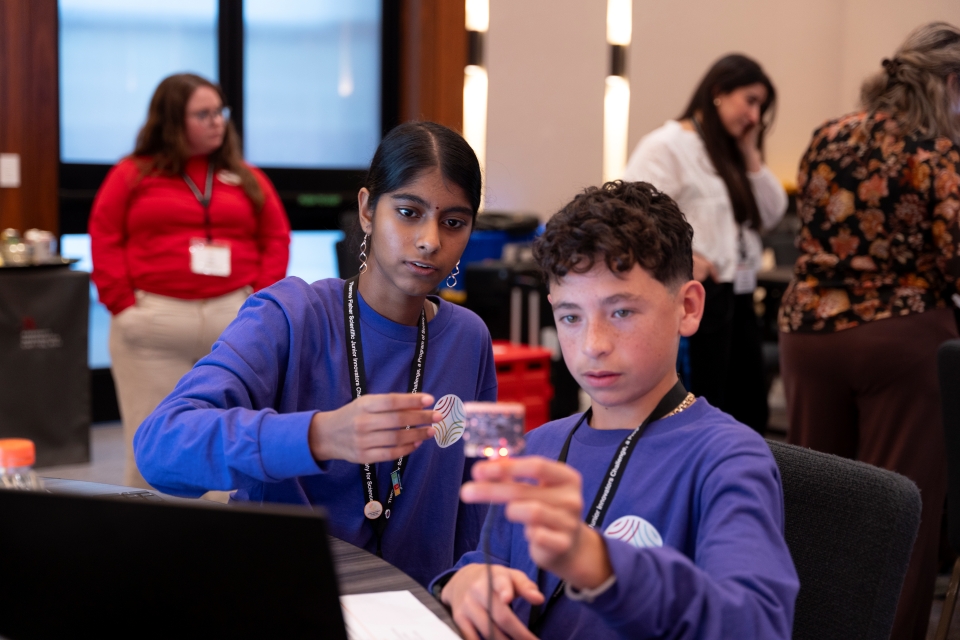
It wasn’t easy, but all the teams flexed creativity and a passion for using their STEM skills to solve some of the world’s most pressing challenges.
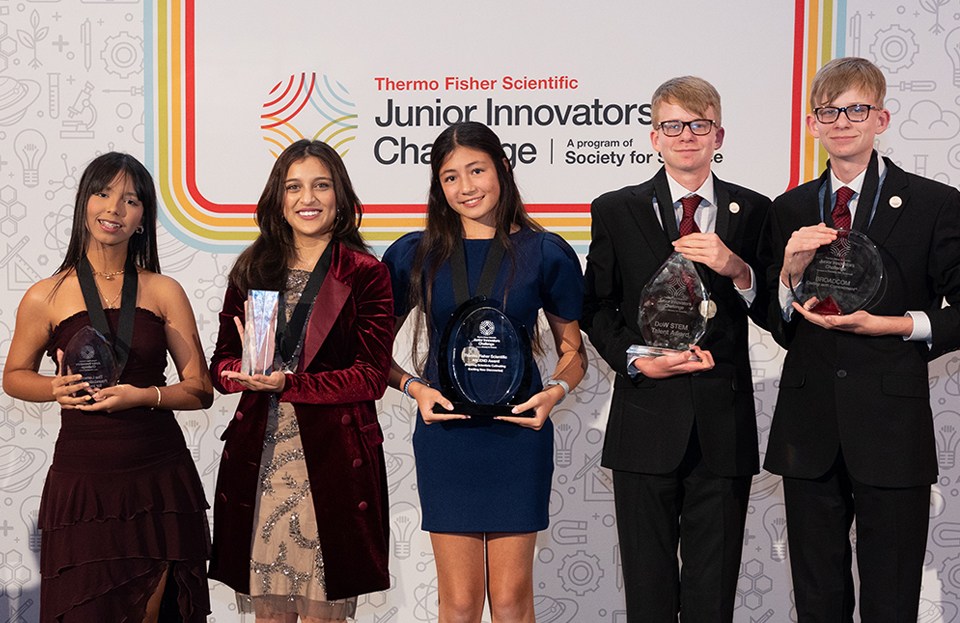
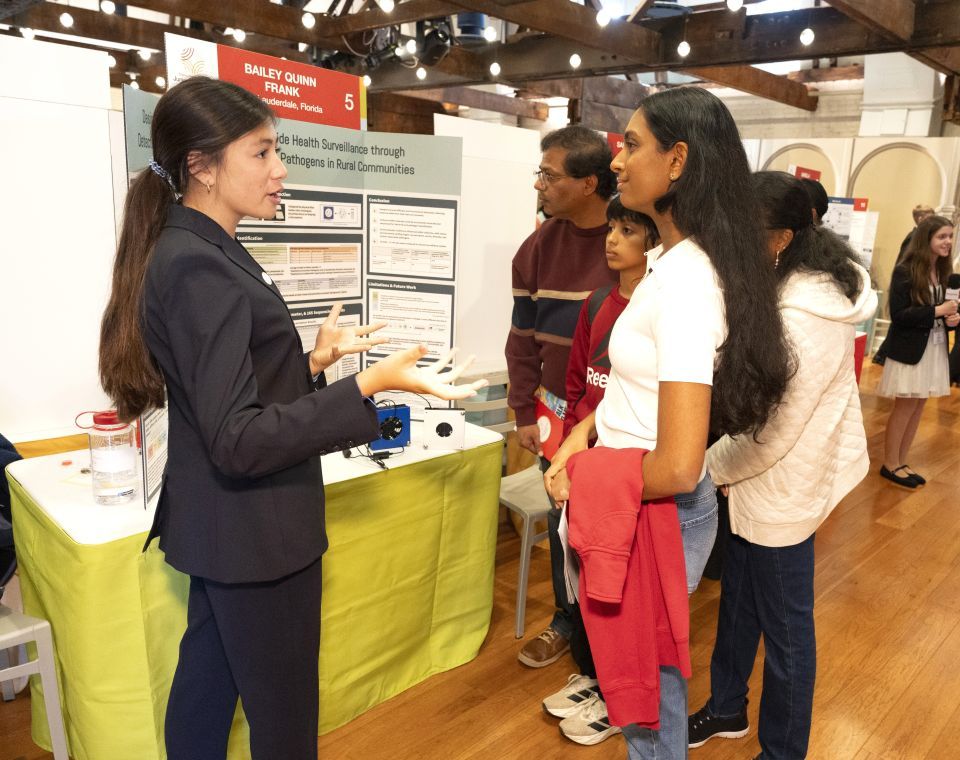
Learn more about the finalists’ research in the Project and Engineering Showcase and see the 2026 top winners in the awards announcement.