Alumni, Regeneron ISEF, Regeneron STS, Thermo Fisher JIC
Let the Momentum Continue: Women from Society Competitions Make Their Own History
Conducting research, submitting research projects to science fairs and winning in these competitions is not easy for anyone, let alone young women in the world of STEM. While the numbers are improving, women still make up only 28 percent of the global STEM workforce.
This Women’s History Month, Society for Science is applauding the women who have pushed the barriers open in STEM and helped inspire today’s young scientists. We spoke with several top winners in the Society’s flagship competitions. They reflect on their research, the women who inspire them, and the role they hope to play in encouraging the next generation of women in STEM.
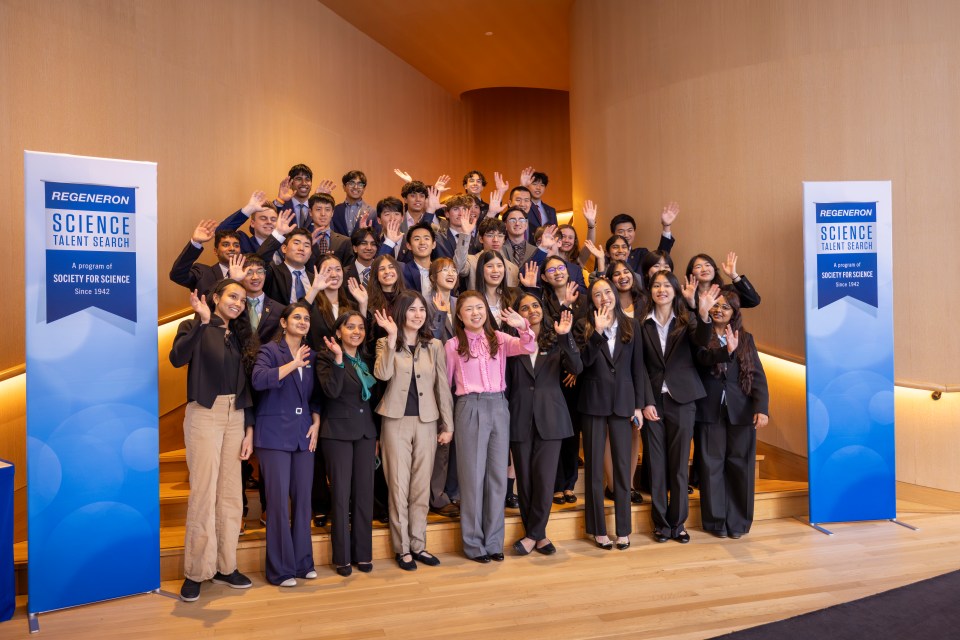
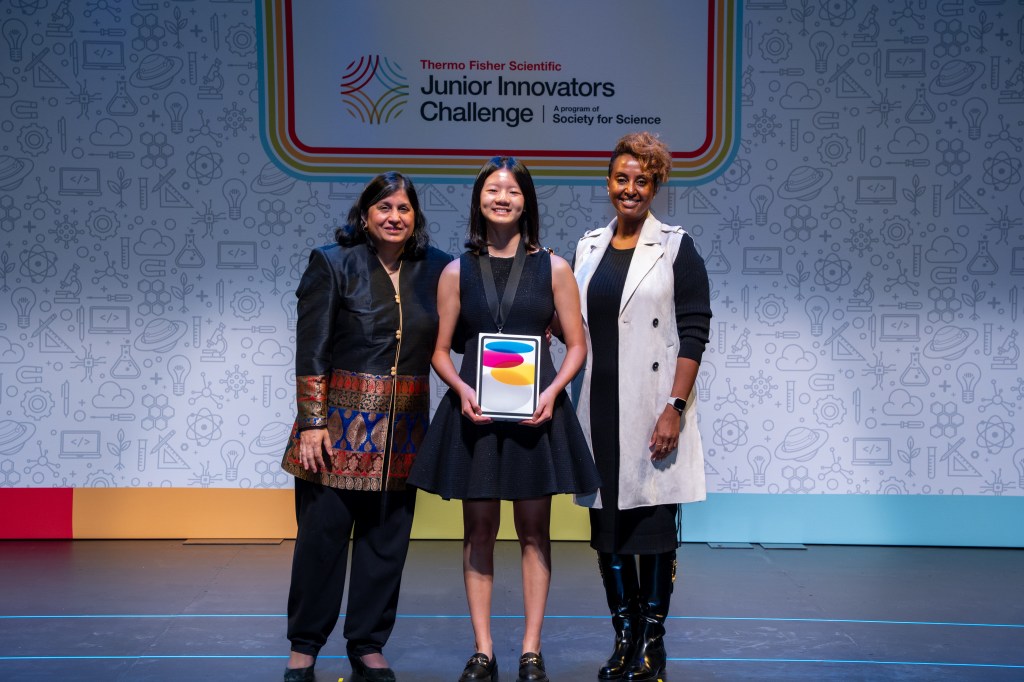
We had a chance to hear from the winners in the 2025 Thermo Fisher JIC, including Camila, Pranshi, Christine and Alice who were recognized for their innovative research and teamwork during a week of rigorous challenges.
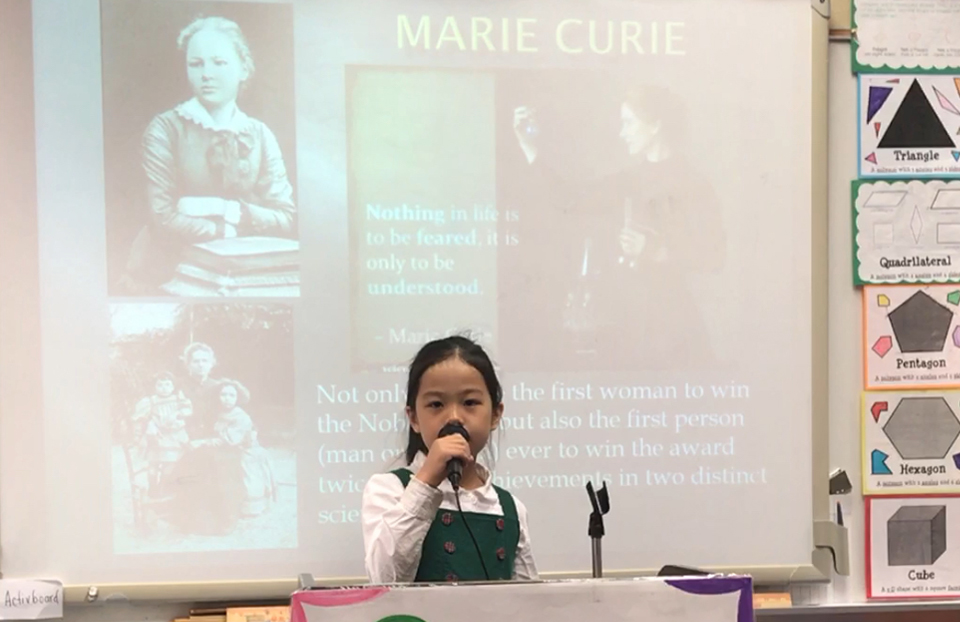
Alice Feng
“To me, being a woman in STEM means being confident, determined and having the courage to pursue STEM fields with curiosity. It also means inspiring other women and encouraging people to believe in their abilities and pursue their dreams with confidence.”
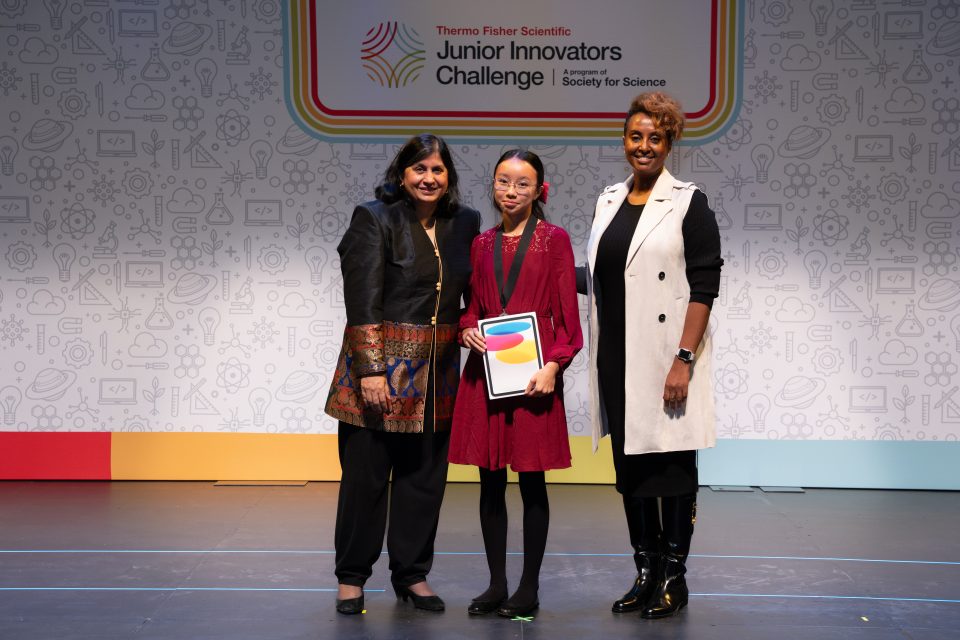
Camila Isabel Gonzalez-Thompson
“My woman in STEM inspiration is my mother, Kenira Thompson. She taught me the basics of research and showed me what science truly is. Since I was young, all I can remember is her hard work and dedication toward her pursuit of science, and how much she pushed herself to achieve her goals. In turn, she inspired me to try my hardest to achieve my own goals, whether it be in STEM or in life.”
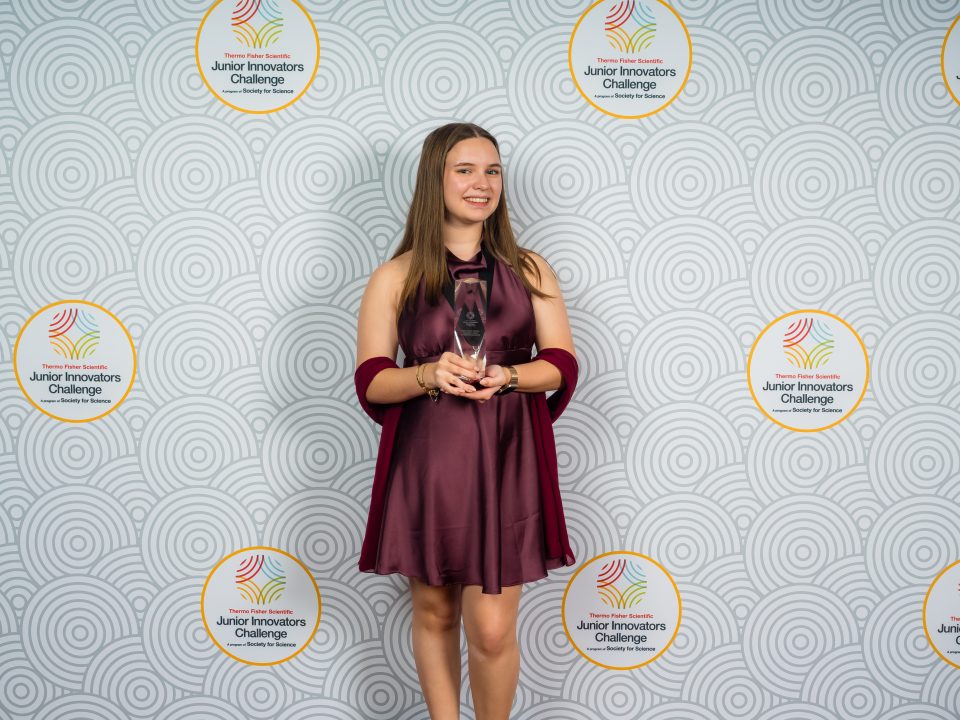
Pranshi Mehta
“Women’s History Month is a powerful reminder that progress in STEM has always been fueled by persistence, resilience and the courage to challenge the status quo. I am deeply grateful to the mentors, teachers and peers who have encouraged me to pursue ambitious research questions and to never shrink from the challenges along the way. As we celebrate this month, I hope that more young girls begin to see themselves not merely as participants in science, but as the innovators, leaders and changemakers actively shaping its future. The next great breakthrough could come from any one of them.”
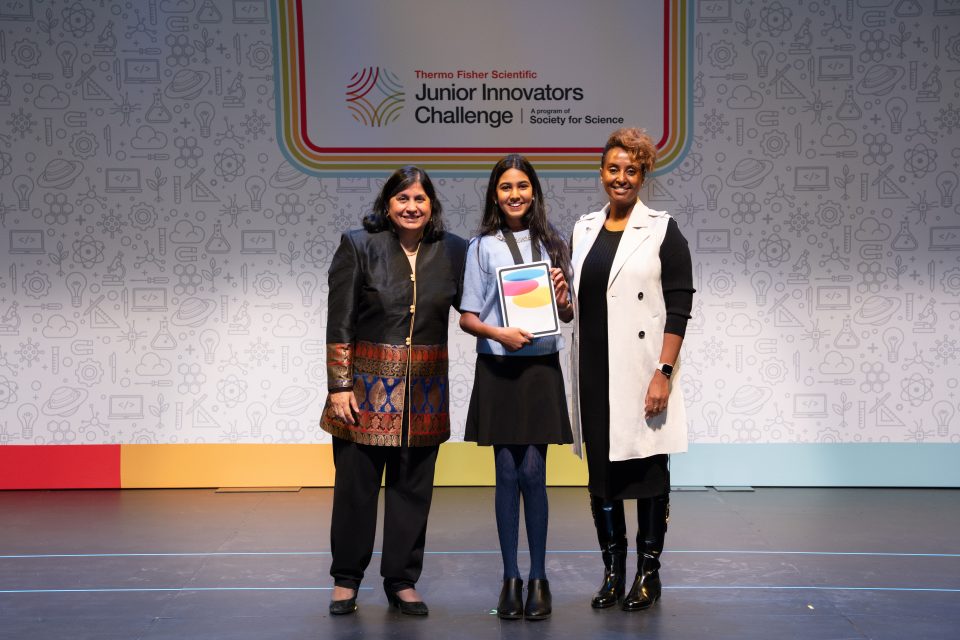
Christine Wang
“My woman in STEM inspiration is Fei-Fei Li, whose groundbreaking work in AI has transformed computer vision. She inspires me not only through her intellect but also through her dedication to expanding opportunity and representation in AI. As I pursue STEM, I hope to follow her example and help shape a future in technology that is both innovative and open to everyone.”
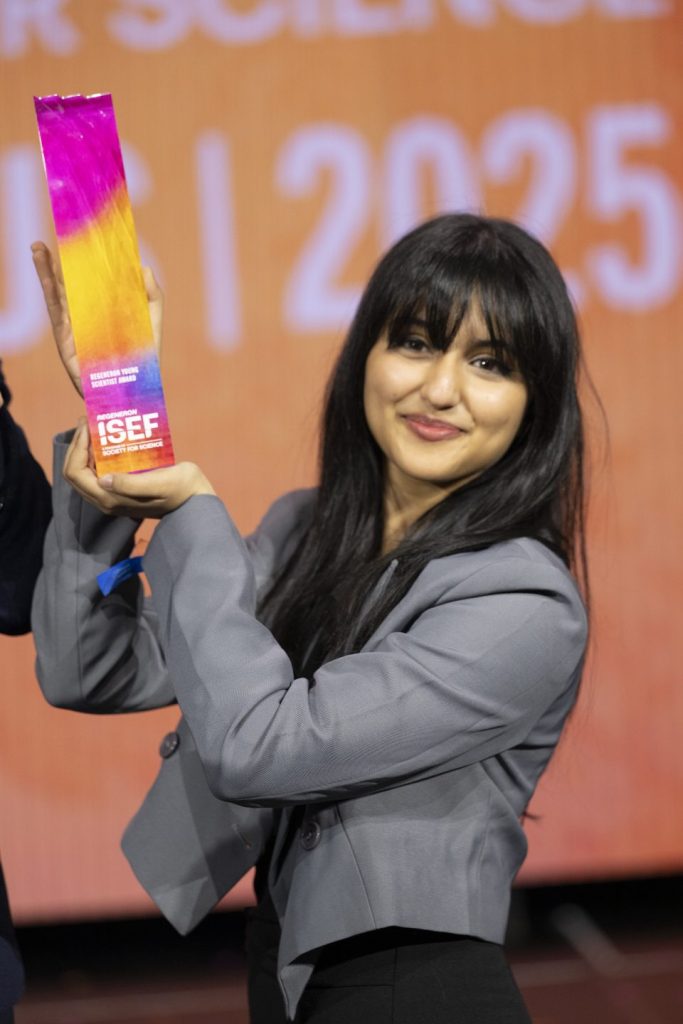
Abigail Qi and Siyaa Poddar, participants in the 2025 Regeneron International Science & Engineering Fair in Columbus, Ohio, reflect on overcoming adversity in science.
Siyaa Poddar
“So many women have worked to pave the way for me to be afforded the opportunities I have now. It is our responsibility as women in STEM to keep that momentum up! There are too many creative minds and too many problems to be solved for us to limit ideas purely based on whose mouth they come out of. I am so grateful to be a part of such a strong community and am excited to continue perpetuating the innovative, creative and determined mindset of the women before me.”
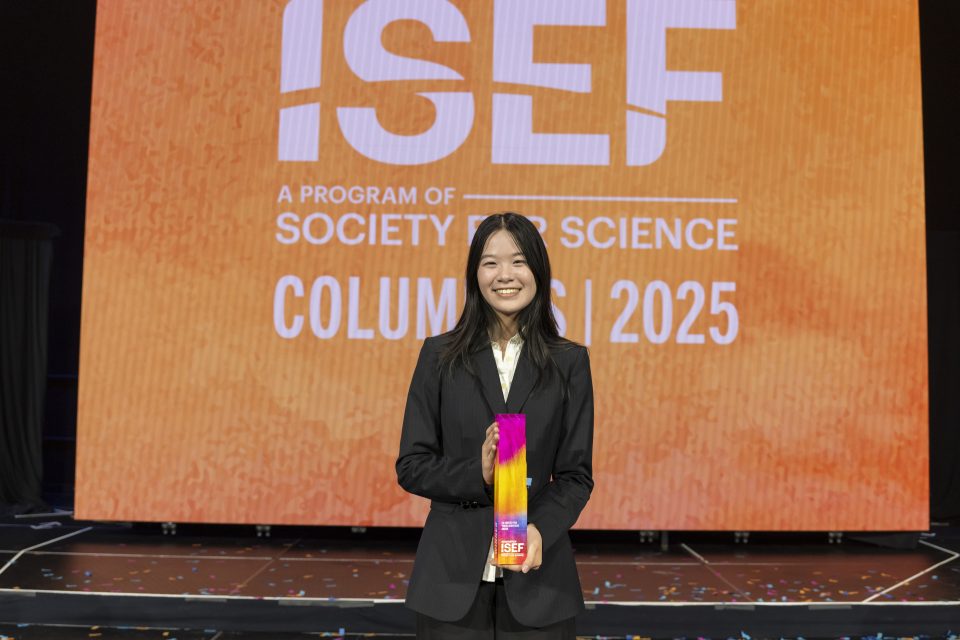
Abigail Qi
“When it comes to STEM, I’ve never thought of myself as different from any guy. I’ve never thought something would be harder to achieve because I’m a girl, and I’ve never limited myself because of my gender. At their core, science and mathematics don’t depend on gender. For example, bacteria don’t grow differently depending on who inoculates them. That mindset has allowed me to approach challenges as just challenges, not as proof that I didn’t belong.
I think this perspective is incredibly important for girls in any subject, especially in STEM. If you internalize the idea that you’re at a disadvantage before you even begin, you’re fighting two battles: the material itself and your own doubt. But if you see yourself first and foremost as a capable learner, it’s amazing what you can achieve.
This doesn’t mean barriers and bias don’t exist. However, you can acknowledge challenges without letting them define your limits. In STEM, where confidence often determines who speaks up and who takes on leadership roles, refusing to self-limit is essential. In my opinion, the most important mindset is realizing you don’t need to prove you deserve your seat at the table more than anyone else. You belong because you’re willing to learn, to do the work and love what you do.”
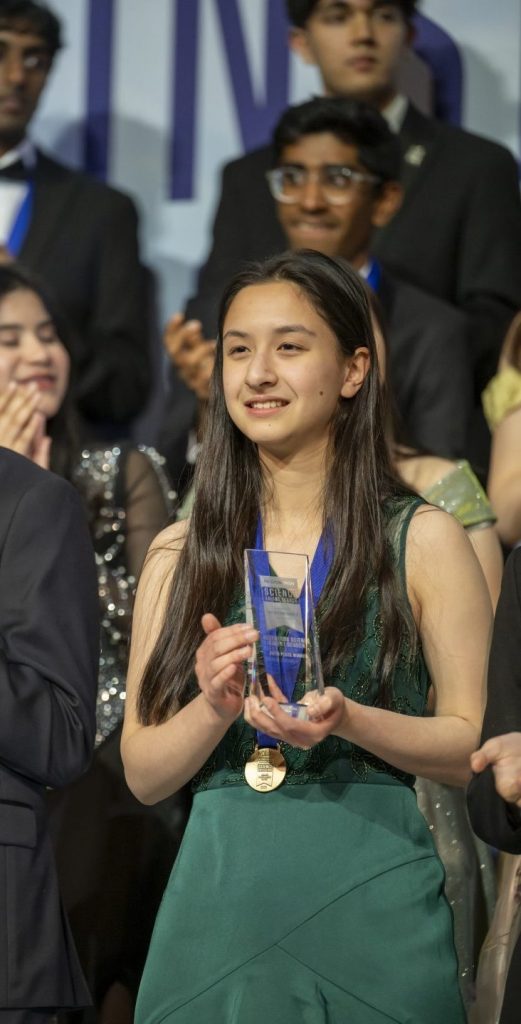
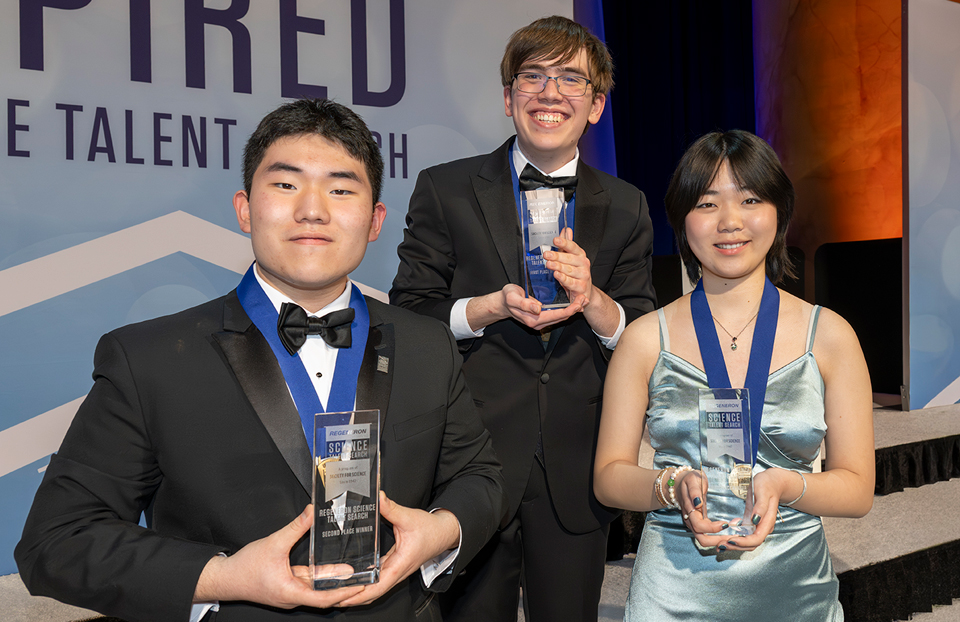
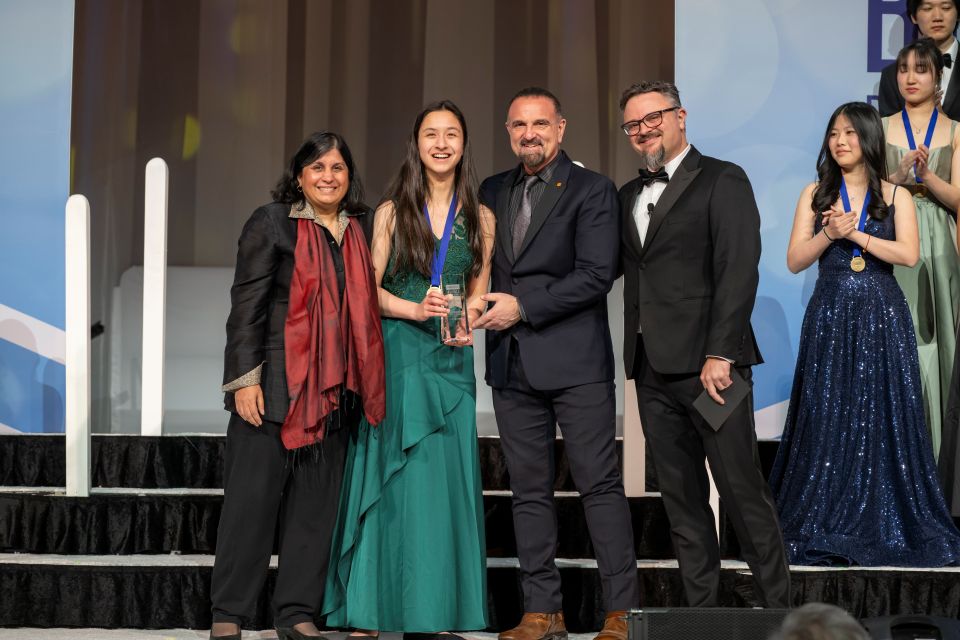
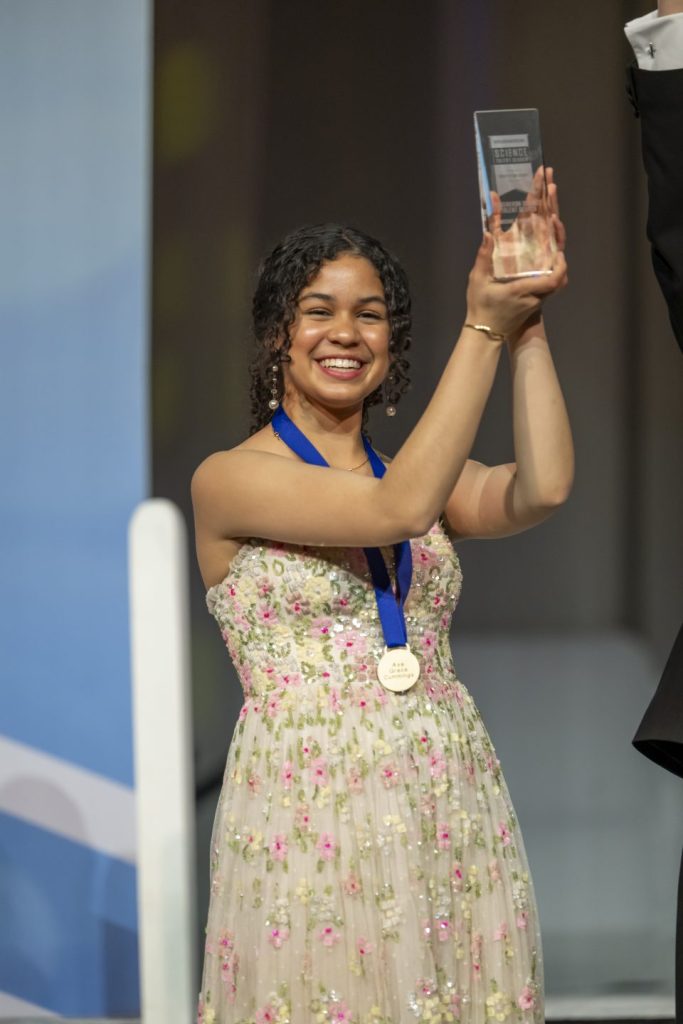
Around this time last year, Rivka Lipkovitz and Ava Grace Cummings won top awards in the Regeneron Science Talent Search for their research in mathematics and health.
Ava Grace Cummings
“One of my women in STEM inspirations is Mary Golda Ross. She was the first Native American female engineer and spent time working in statistics for the Bureau of Indian Affairs before working as an engineer for Lockheed Martin in the 1940s. As an Indigenous woman pursuing engineering, I find her story and resilience very inspiring. She also spent much of her career educating and giving back to her community, which I believe is one of the most important aspects of breaking barriers within STEM fields. In 2019, she was also featured on the $1 coin!”
Rivka Lipkovitz
“Although most universities today have a roughly even gender split in enrollment, I still sometimes walk into a classroom and see only one or two other women. I’m glad that we’ve made so much progress over the past century, especially in K–12 education, but I still think there’s room to improve. I hope that one day it feels completely normal to see women everywhere in STEM. I don’t feel threatened being one of a handful of women, but I do think there are many women who would enjoy math if they had more opportunities to be exposed to it and encouraged early on. I want to study mathematics and conduct research in economics. At my university, only about 10% of the economics faculty are women. I hope that having one more woman in the room can make it easier for others to enter and feel that they belong.”