Dissecting primary scientific literature can benefit middle school students
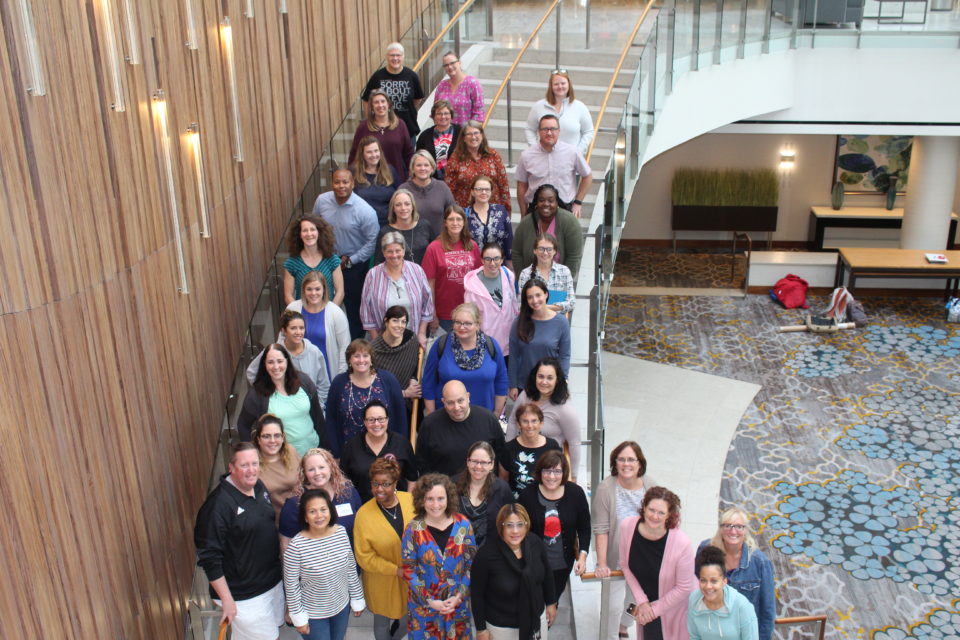
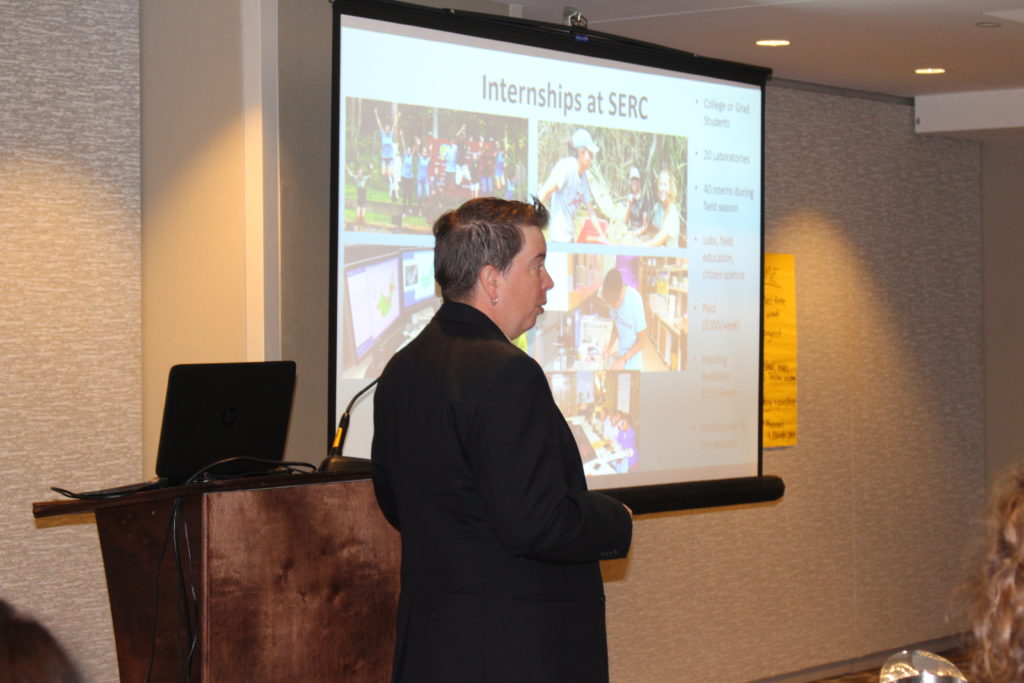
Although often not used in middle school classrooms, analyzing primary research documents can be beneficial for students who want to pursue science in the future, according to Karen McDonald, Education Program Coordinator at the Smithsonian Environmental Research Center in Edgewater, Maryland. Primary sources or documents are academic papers published by scientists, which are often used to make educational content, including textbooks. Karen shared her thoughts with educators during a keynote address at the Society’s inaugural Middle School Research Teachers Conference (MSRTC), a weekend of peer-led professional development specially curated for middle school teachers.
At SERC, Karen’s core responsibilities include presenting her colleagues’ research to students in an easily digestible format. “I’m tasked with acting as the bridge between the research of our Smithsonian scientists and teachers, students and the general public. It’s not an easy task. Some of our researchers are naturally good at teaching and sharing their work, but others, well, not so much.”
Given her experience in translating complex material for students, Karen acknowledged that the complex language in primary research documents can be off-putting to middle school teachers and their students at first. That said, she advised teachers not to be intimidated by the jargon.
Karen added that educators shouldn’t be afraid to tell students when they don’t know something. By their example, students will learn that age is no factor in continuing one’s education and that it’s OK to ask questions they are curious about.
Karen recommended breaking down research papers into several key parts. Students can begin by delving into the abstracts and conclusions of research papers, which will give the gist of the research topic and findings, without intimidating them with detailed methodologies and data. This information can be supplemented with the teacher’s lesson plan and, slowly but surely, students will begin to grasp difficult concepts. If a student would like to better understand scientific terminology, Karen feels students have to immerse themselves in it—including the challenging aspects.
Students who are interested in pursuing science fair projects, should consider studying abstracts and research published in academic journals, Karen noted. She further suggested that students be encouraged to apply their critical thinking skills to come up with original research topics.
In addition to participating in the Society’s Middle School Research Teacher’s Conference, SERC also works with the Society during Broadcom MASTERS finals week, where finalists learn about marine life and participate in team building challenges. Read more about the finalists’ experience at SERC here.