New Zealand becomes the newest affiliated fair
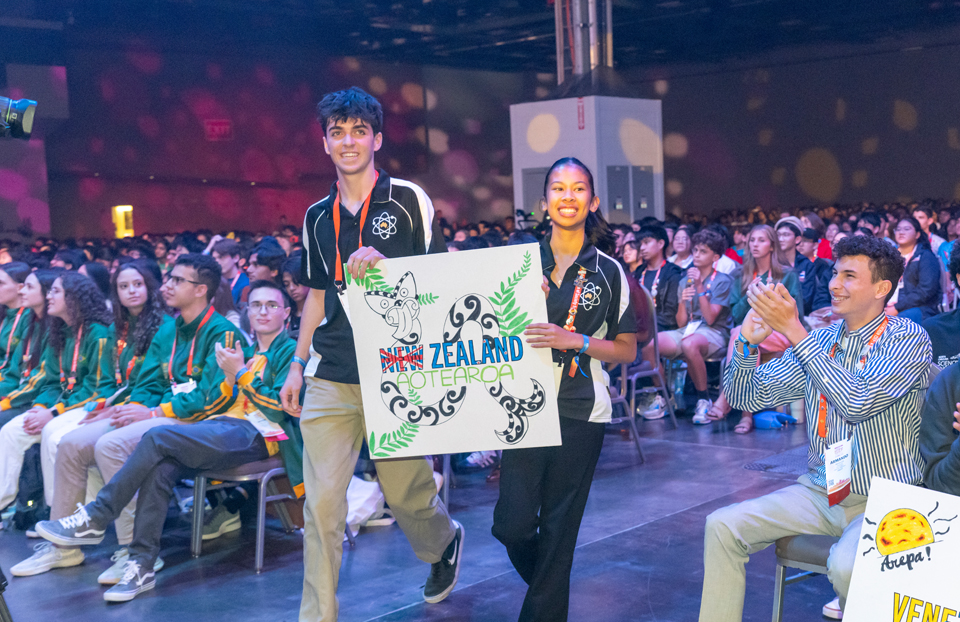
While New Zealand finalists have participated in the International Science & Engineering Fair (ISEF) for years before, they have never had their own national fair. They always attended as part of the Australian delegation. Now, for the first time, New Zealand will be represented at ISEF under its own affiliation.
This is a significant milestone for the country, where STEM education is a growing priority for students.
Holly Young, Senior Advisor Communications & Strategic Events at Royal Society Te Apārangi, reflects on the process of bringing the affiliated fair to fruition.
Royal Society Te Apārangi is a nonprofit organization that advances and promotes science, technology and the humanities and serves as New Zealand’s national academy of scholars and researchers.
The New Zealand science and technology fair scene is driven by passionate volunteers and young students who “follow their curiosity”, Holly says. Regional fairs and STEAM academies have been running for over 50 years. However, there has been no national fair since 2014, leaving some programs unsupported and ultimately shut down.
“Te Apārangi has become an affiliate and will use this as a springboard to support the regional fairs, to foster scientific integrity and to inspire students and fair organizers to take their love of STEAM to the next level,” Holly says.
With this new affiliated fair, Holly says teachers and students may feel inspired to attend an international competition. This national fair hopes that more students are motivated to explore and complete projects.
“We hope to increase opportunities to engage with diverse communities and our Indigenous Māori and Pacific students who are traditionally underrepresented in these activities,” Holly says.
Last year, in May 2025, Isabelle Aduna and Jesse Rumball-Smith placed in their categories representing New Zealand in the Australian Delegation.
Isabelle says her experience felt surreal.
“Imagine being surrounded by nearly 2,000 students from all over the world, each with projects that could genuinely change lives. It was overwhelming at first, but also incredibly inspiring,” Isabelle says. “I loved the energy. Everyone was so passionate, curious and eager to share ideas. I came away with new friends, new perspectives and deep joy and confidence in what young people can achieve.”
Isabelle placed third in the chemistry category for her project: Using Produce Loss in Dye-Sensitized Solar Cells.
“When they called my name, I froze for a second. I couldn’t believe it,” Isabelle says. “I felt incredibly grateful for the support I had received from mentors, my family and everyone who encouraged me along the way. Representing New Zealand on an international platform was an honor that I wouldn’t have been able to achieve without an amazing community backing me.”
Jesse Rumball-Smith will return for ISEF 2026 in Phoenix, Arizona, representing New Zealand and its new delegation.
“ISEF 2025 blew me away,” Jesse says. “The most special part was meeting others who are passionate, diverse and far smarter than me, from across the globe. They were what made ISEF truly mind-blowing. I still talk to my ISEF friends to this day and would never have ended up at ISEF if it wasn’t for such passionate advocates.”
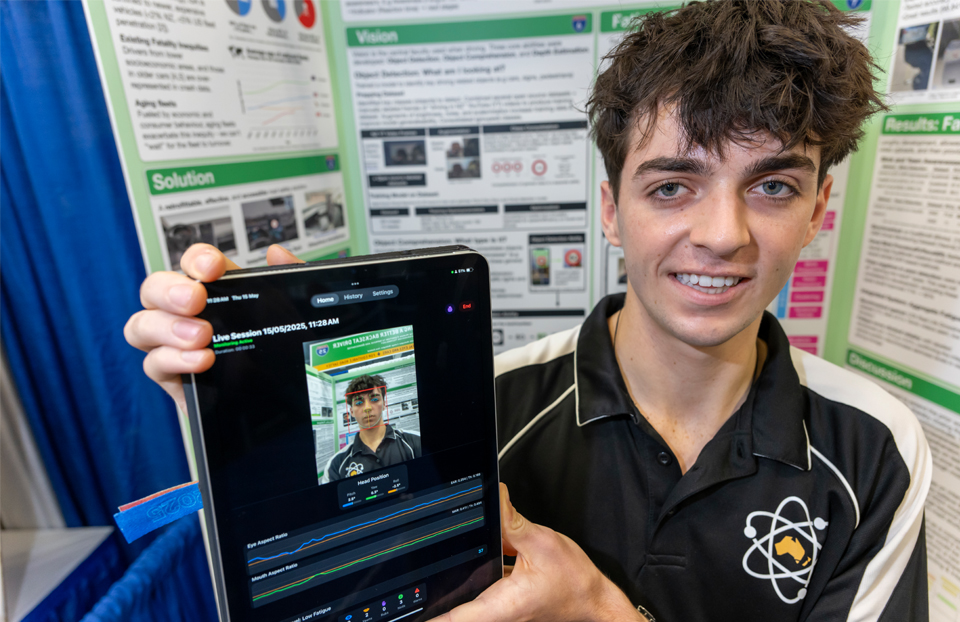
Jesse’s ISEF story began in 2023.
“I reached out to the Taiwan International Science Fair (TISF) and convinced them to allow New Zealand to return after a five-year hiatus due to funding challenges,” Jesse says.
After numerous emails and LinkedIn direct messages, Jesse secured enough funding to make the trip to the Taiwan International Science Fair. He ended up serving as the Head of Delegation, Chaperone, and competitor all at once.
“I’m incredibly grateful to everyone who made my journey possible,” Jesse says. “I’m stoked to have helped get the ball rolling for future Kiwis to have a far easier ISEF qualification.”
Both Jesse and Isabelle share similar advice when it comes to representing New Zealand at ISEF. Pick a project that one truly cares about.
“I don’t think the only goal should ever be to win a medal or a prize. The core of ISEF, I believe, is to disperse curiosity, passion and good through the sharing of ideas and meeting people,” Jesse says.
“Explore what excites you enough to spend late nights researching and testing. Additionally, don’t be afraid to ask for help. Mentors, teachers and peers can give you insights that make your project stronger,” Isabelle says.
You can learn more about their time at ISEF in this article.