Lemelson Foundation, STEM Outreach
Meet the 2025–26 Lemelson Invention Education Ambassadors
A wise man once said, “Invention, my dear friends, is 93% perspiration, 6% electricity, 4% evaporation and 2% butterscotch ripple.”
Sorry, that was actually fictional character Willy Wonka. But the fact remains that invention is the fundamental process that sparks into being whenever curiosity combines with action. Invention brings new ideas to life and helps shape a better future.
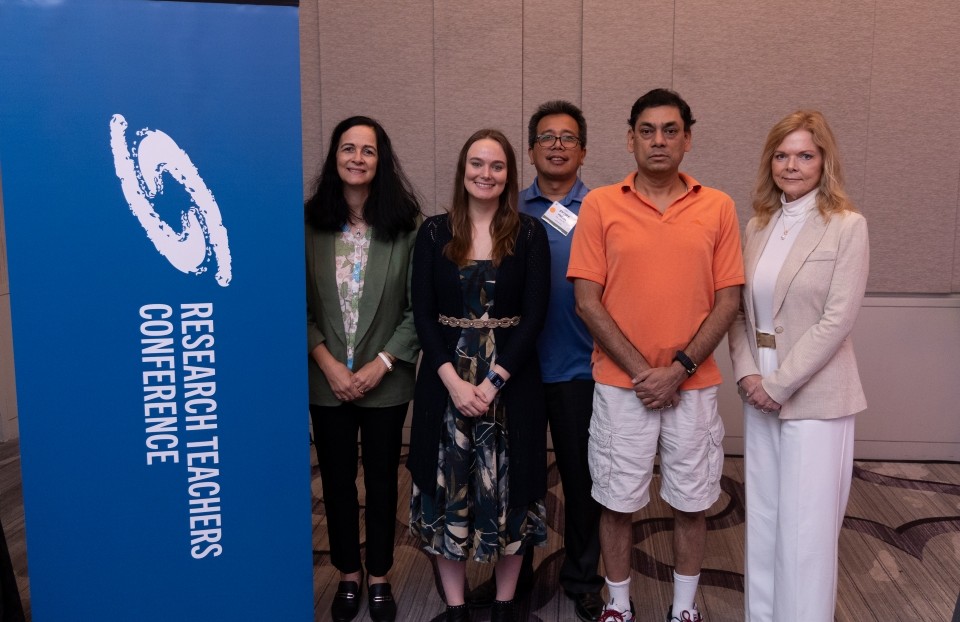
Few understand this more than the 2025–26 Lemelson Invention Education Ambassadors. Over the course of a year-long fellowship, made possible by support from the Lemelson Foundation, these four veteran educators have spent the past year working closely with one another and Society for Science’s Invention Education Fellow Laurel Bingman to develop strategies for teachers everywhere to better incorporate invention education and research into their classrooms.
By giving teachers and students new frameworks to create and explore, they are widening pathways to opportunities in STEM, including participation in research competitions like the Regeneron Science Talent Search, Regeneron International Science and Engineering Fair and Thermo Fisher Scientific Junior Innovators Challenge.
Meet these four outstanding leaders and hear some of their reflections on why invention education is so pivotal.
Milene de Farias
Southcrest Christian School (Lubbock, Texas)
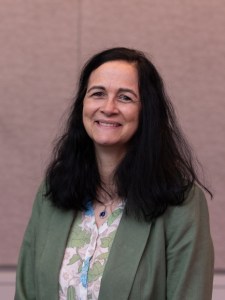
Milene has over a decade of experience teaching chemistry, physics, biology, robotics and engineering design. In addition to her classroom experience, she has presented at the National Science Teaching Association (NSTA) National Conference, mentored a Lemelson MIT InvenTeam and earned multiple grants to bring creative STEM projects to life. Milene has also been recognized as an NSTA Defense STEM Education Consortium (DSEC) STEM Educator and multi-year South Plains Regional Science and Engineering Fair Top Teacher Award recipient.
As an Invention Education Ambassador, Milene co-led a session at the Society for Science High School Research Teachers Conference that engaged educators in an invention challenge and demonstrated the importance of helping students develop an inventor’s mindset. She created a resource for teachers to use with their students to help them plan invention projects using the SMART goals framework.
In her own words: “Nothing excites me more than watching young minds tackle problems and rise to a challenge. Increasing access to invention and research opportunities is about opening doors and making sure every student, no matter what their background, has a chance to explore, create and share their ideas. Encouraging students to approach research through the lens of invention allows them to move beyond simply gathering data. They begin to ask, ‘What can I build? What can I improve? What can I change?’”
Amy Douglas Kendrick
Jena High School (Jena, Louisiana)
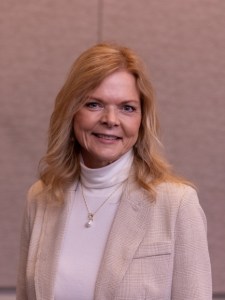
Amy is a science teacher at Jena High School in Jena, Louisiana. Over her 27-year teaching career, she has served in a variety of leadership roles, including as science department chair, science fair coordinator and instructor for the College Board’s AP Capstone research program. She has also presented at NSTA conferences and was named the Louisiana Science Teachers Association’s Outstanding Secondary School Science Teacher of the Year in 2024. Amy has also been a two-time Society for Science Advocate.
As an Invention Education Ambassador, Amy co‑led a session at the Society for Science High School Research Teachers Conference and partnered with her local fire department to present The Chemistry of Fire at the LSTA/LATM Joint Conference. She created a classroom resource that uses simple circuits as an accessible entry point to invention, with a focus on expanding opportunities for students in rural communities.
In her own words: “The relationship between student research and invention education is about empowering students to apply what they learn in creative and meaningful ways. Student research allows them to explore questions and develop critical thinking skills, while invention education takes it a step further by encouraging them to design practical solutions for real-world challenges.”
Andre Pineda
Canyon Day Junior High School (Whiteriver, Arizona)
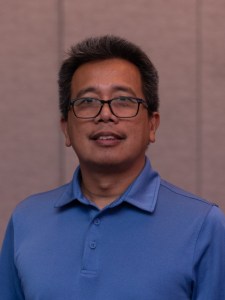
Andre brings interdisciplinary expertise from his background in physics, chemistry and mathematics to his classroom, along with a strong commitment to culturally responsive teaching. As a STEM Ambassador through Arizona State University, Andre works to expand access to STEM opportunities in rural and Indigenous communities. He has also served as a Society for Science Lead Advocate and Science News Learning Ambassador.
As an Invention Education Ambassador, Andre co-led a session at the Society for Science Middle School Research Teachers Conference focused on utilizing Makey-Makey devices in invention projects. He also created a resource that highlights different inventors with aligned bell-work activities so that teachers can easily provide students with examples of inventor role models.
In his own words: “Increasing access to invention and student research opportunities opens doors not just to academic success, but also to a mindset of possibility. These experiences help students develop critical thinking, resilience, collaboration and a sense of agency. When students realize that their ideas matter and can lead to real-world impact, it builds identity, confidence and hope.”
Pradip Misra
Bagdad High/Middle School (Bagdad, Arizona)
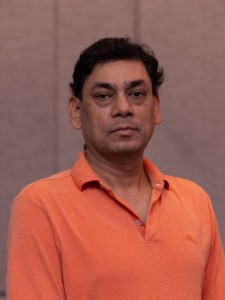
Pradip is a STEM educator with more than 15 years of experience, specializing in computer science, chemistry and physics. He has been recognized as a Yavapai County Teacher of the Year and Earth Science Teacher of the Year, as well as with the CS Teaching Excellence Award by the Computer Science Teachers Association. He has also been recognized as the Middle School Chemistry Teacher of the Year by the American Association of Chemistry Teachers. Pradip is a member of several other teaching organizations, including board positions for the Arizona Science Teachers Association and the National Earth Science Teachers Association.
As an Invention Education Ambassador, Pradip co-led a session at the Society for Science Middle School Research Teachers Conference where teachers learned how to integrate technology into invention projects. He continued this technology focus by creating a resource for teachers to use in their classrooms that guides students through an invention activity where they create robotic arms.
In his own words: “Think of student research as the essential ingredient that elevates inventions. It ignites their creativity. Before students embark on building robots or coding apps, they must conduct thorough research on the problems they wish to address, understand existing solutions and identify gaps in the market. This is where the innovation truly begins. As they apply invention education to bring their research to life, they are not just following instructions, but engaging in problem solving, designing and innovating. It’s a dynamic blend of academic rigor and hands-on creativity.”
Check out the resources created by our Invention Education Ambassadors as well as other invention resources on our invention education webpage: https://www.societyforscience.org/stem-outreach-programs/invention-resources/