2,330 results found for "4"

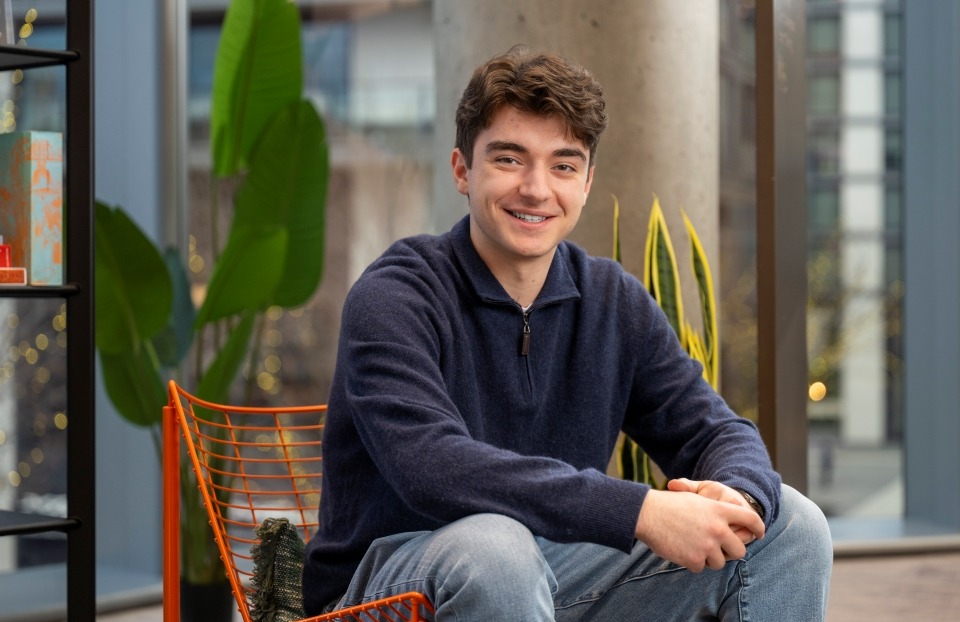
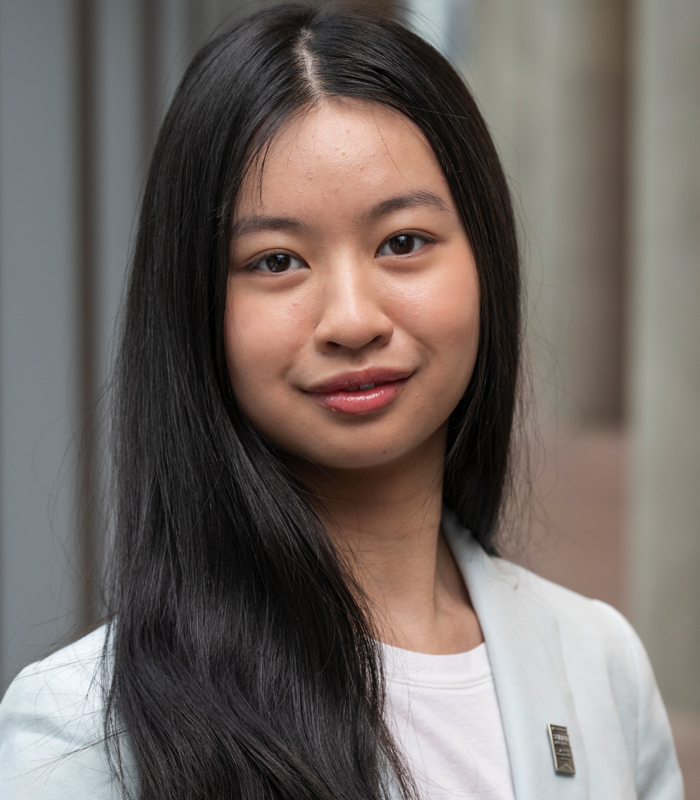
Ashley Zhu
2025 Science Talent Search Project Showcase: Ashley Zhu, 17, of Bayside, New York, studied how a process called curve-shortening flow acts on self-intersecting curves for her Regeneron Science Talent Search mathematics project.
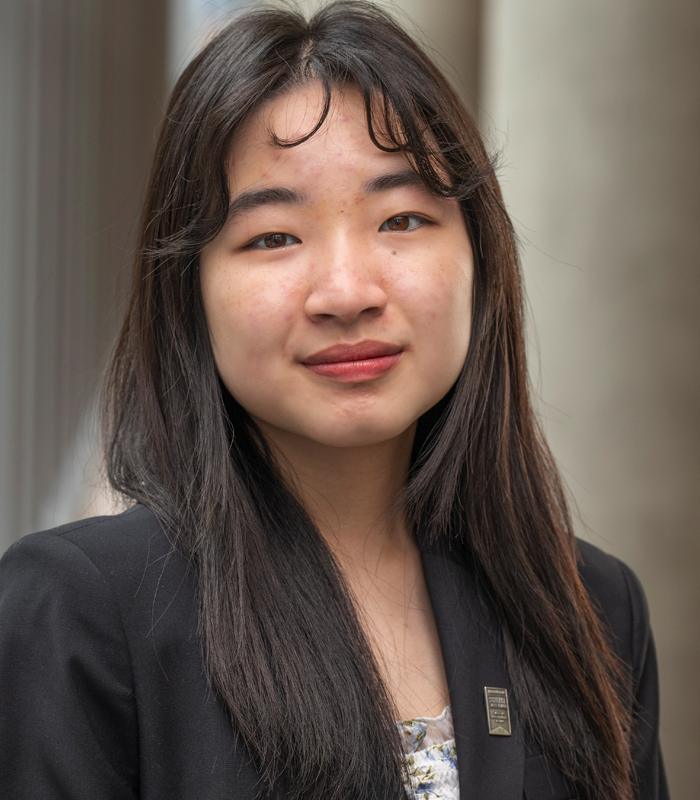
Amy Xiao
2025 Science Talent Search Project Showcase: Amy Xiao, 17, of Garden City, studied how a protein called Citrin is linked to cancer survival for her Regeneron Science Talent Search biochemistry project.
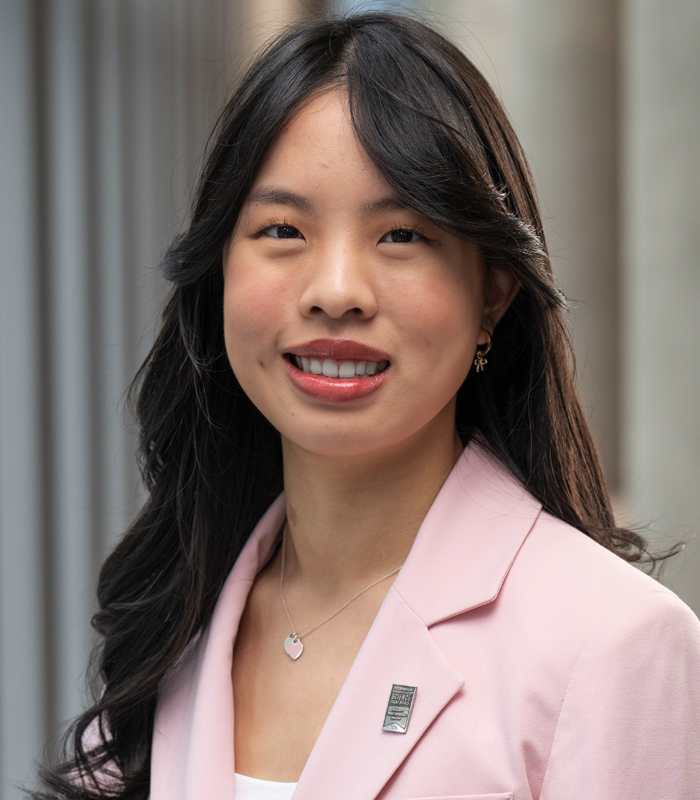
Emma Lee Wen
2025 Science Talent Search Project Showcase: Emma Lee Wen, 17, of Great Neck, studied a new pancreatic cancer treatment for her Regeneron Science Talent Search medicine and health project.
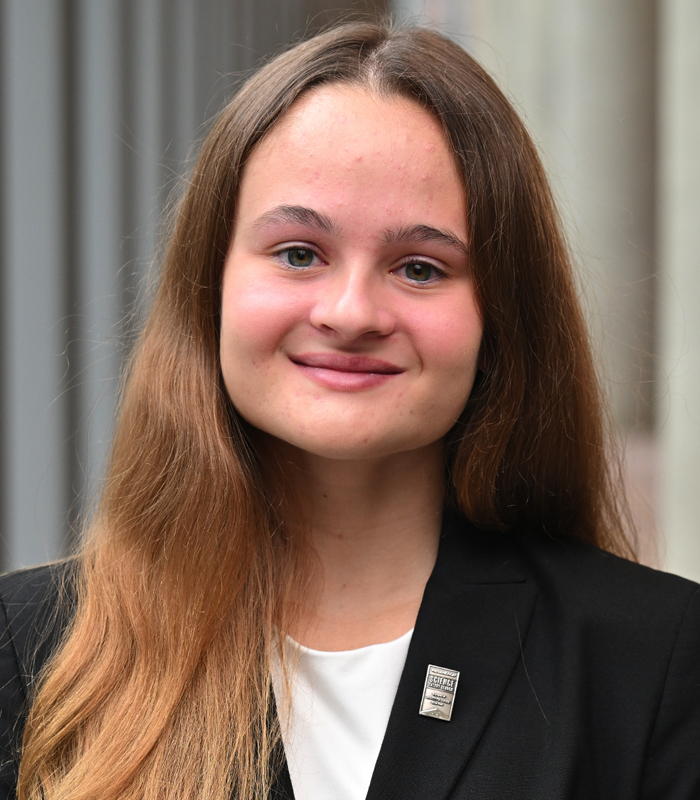
Addison Shea
2025 Science Talent Search Project Showcase: Addison Shea, 18, of Bradenton, examined how changing currents in the Arctic Ocean affect whale migration patterns for her Regeneron Science Talent Search environmental science project.

Akilan Sankaran
2025 Science Talent Search Project Showcase: Akilan Sankaran, 17, of Albuquerque, built a mathematical model to learn about a puzzling phenomenon in fluid dynamics for his Regeneron Science Talent Search physics project.
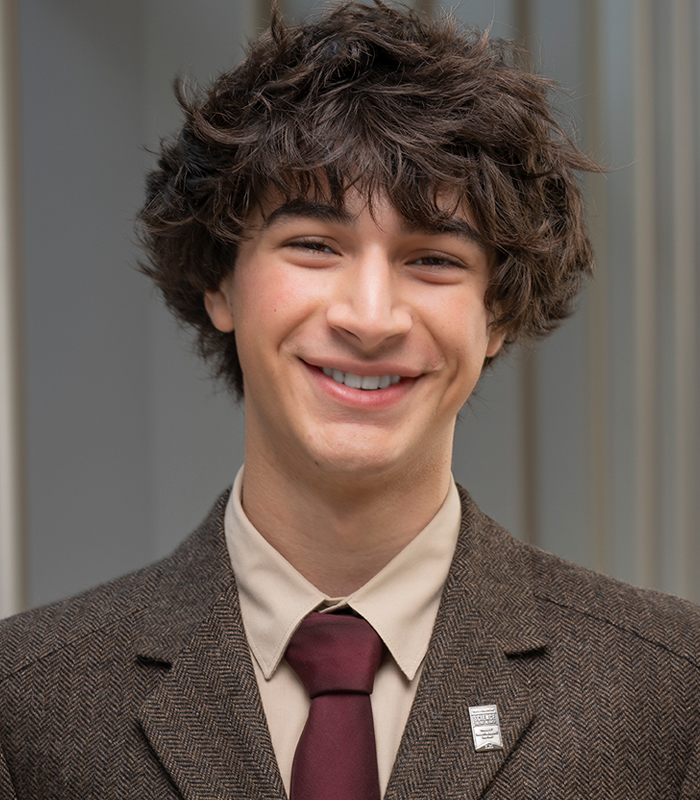
Matteo Paz
2025 Science Talent Search Project Showcase: Matteo Paz, 18, of Pasadena, surveyed nearly 200 terabytes of astronomical data in search of undiscovered brightness-variable objects for his Regeneron Science Talent Search space science project.
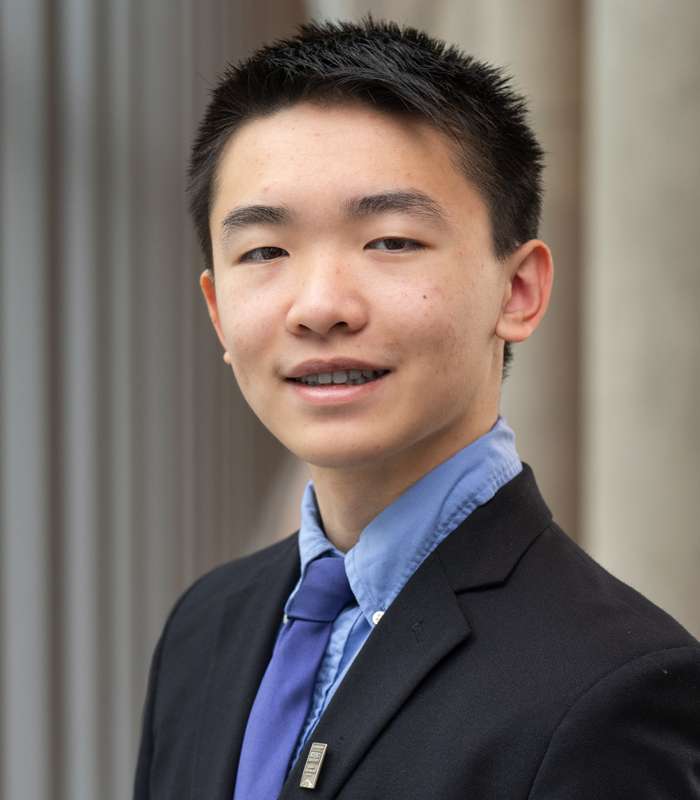
Benjamin Li
2025 Science Talent Search Finalist Project Showcase: Benjamin Li, 18, of Short Hills, created an AI tool to identify brain tumors from low-quality MRI scans for his Regeneron Science Talent Search computational biology and bioinformatics project.

Vishwum Kapadia
2025 Science Talent Search Finalist Vishwum Kapadia, 17, of Orange, studied how to improve the success of a heart valve repair procedure for his Regeneron Science Talent Search medicine and health project.
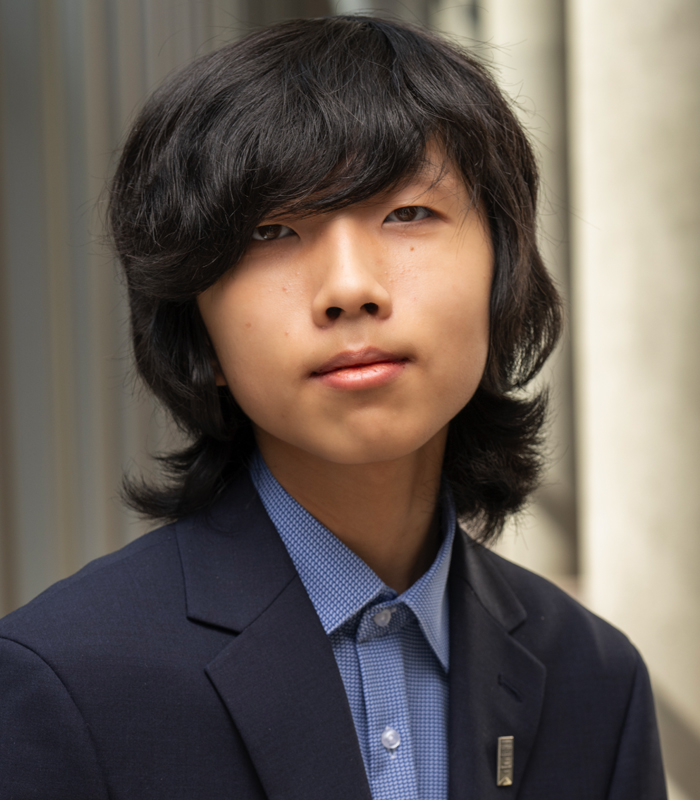
Jiwu Jang
2025 Science Talent Search Finalist Jiwu Jang, 18, of Lexington, answered a key open question about symmetry for his Regeneron Science Talent Search mathematics project. Type D quiver varieties are spaces that encode information about the relationships between particles. These spaces often appear in physics (string theory) and math (representation theory).