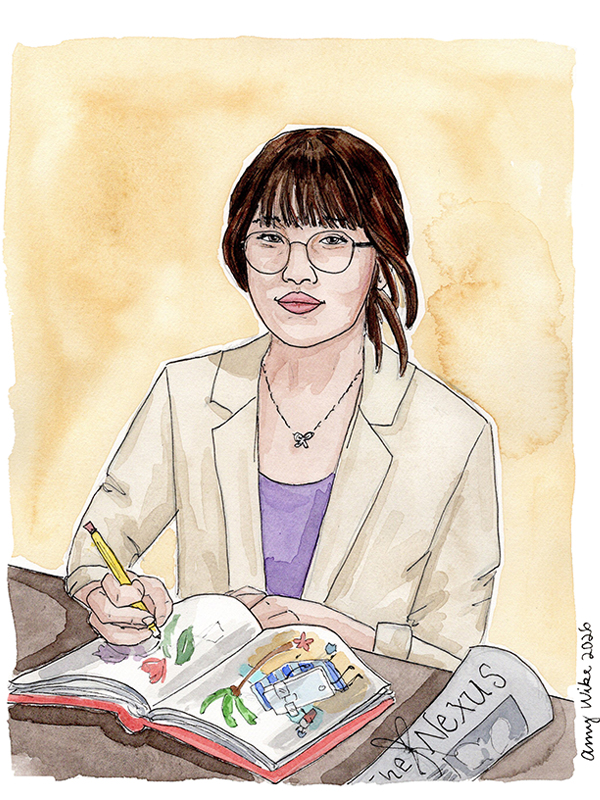
Photobiomodulation To Heal Wounds Under Simulated Microgravity for Future Space Travel
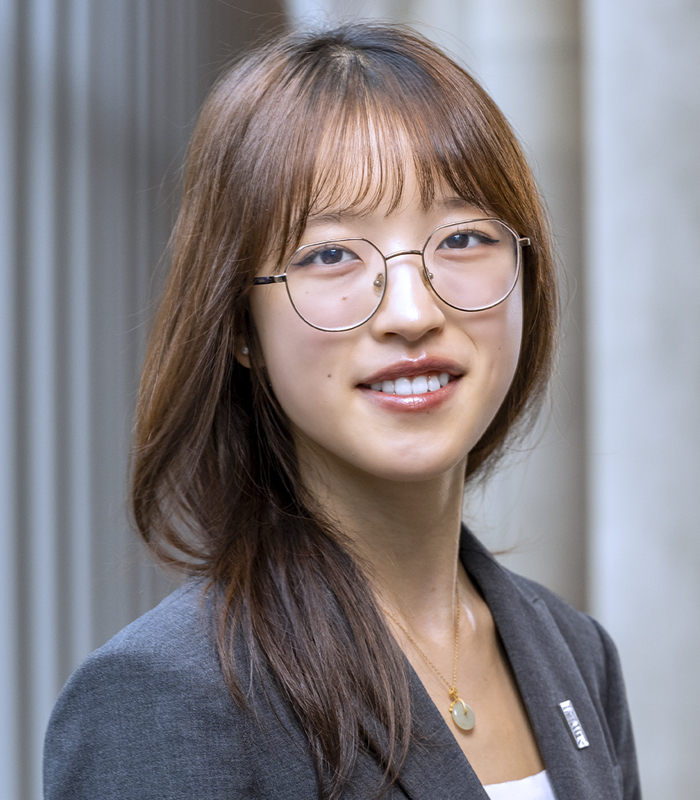
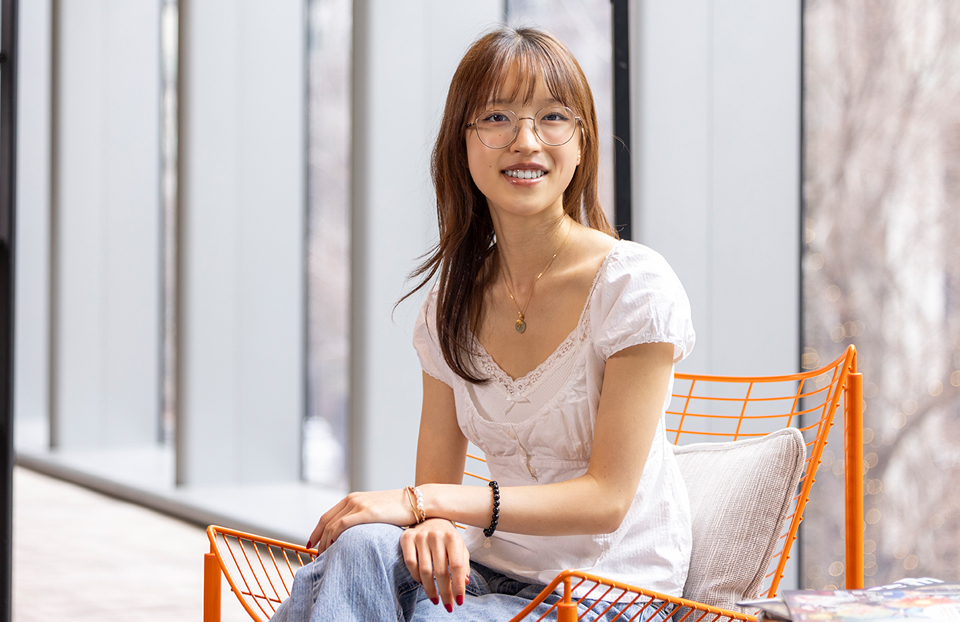
Leanne Fan, 18, of San Diego, studied how to better heal wounds in microgravity for her Regeneron Science Talent Search medicine and health project.
View Poster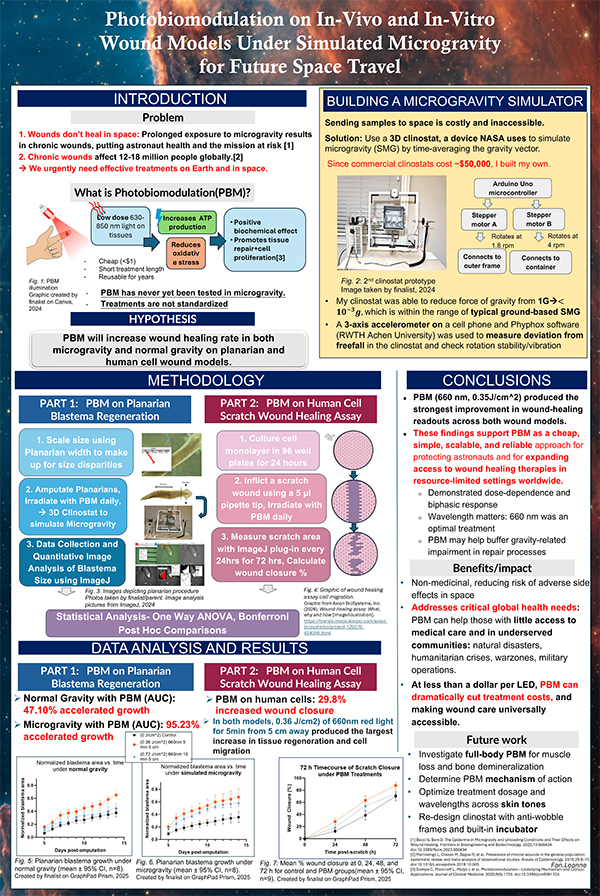
Wounds heal slowly in space due to the absence of mechanical loading, or gravity’s pull on tissues. For her project, Leanne built a continuously rotating device to simulate microgravity. The device rotates along two axes, preventing gravity from acting on the wound sample in just one direction. Leanne then treated injured flatworms in this simulated microgravity with 660-nanometer red light. She saw that treatment sped up tissue regeneration by 95.2%. She then tested red light in wound models using human cells and found that it sped up cell migration during wound closure by 29.4% in normal gravity conditions.
Leanne’s work could lead to new ways to treat injuries in space, as well as in remote places, during natural disasters, or in other situations with limited access to care.
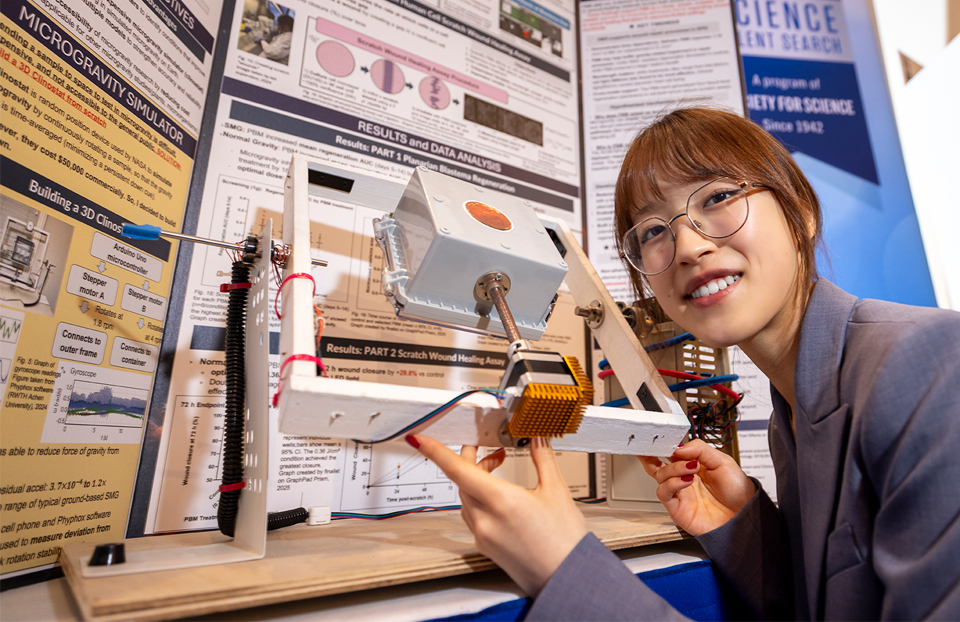
The child of Vivian Wang and David Fan, Leanne attends Westview High School, where she is editor-in-chief of the school’s newspaper. She was a U.S. youth delegate at COP29, the 2024 United Nations climate conference in Azerbaijan, and served as the elected student board member for her school district.
Beyond the Project
Previously, Leanne worked on a project that took her to the other end of the electromagnetic spectrum. She built headphones that detected bacterial ear infections with AI and treated them with blue light.
FUN FACTS: Leanne is the editor-in-chief of her school’s newspaper. She helped bring back the paper after COVID-19, when they lost staff, their printer went out of business and they pivoted online.